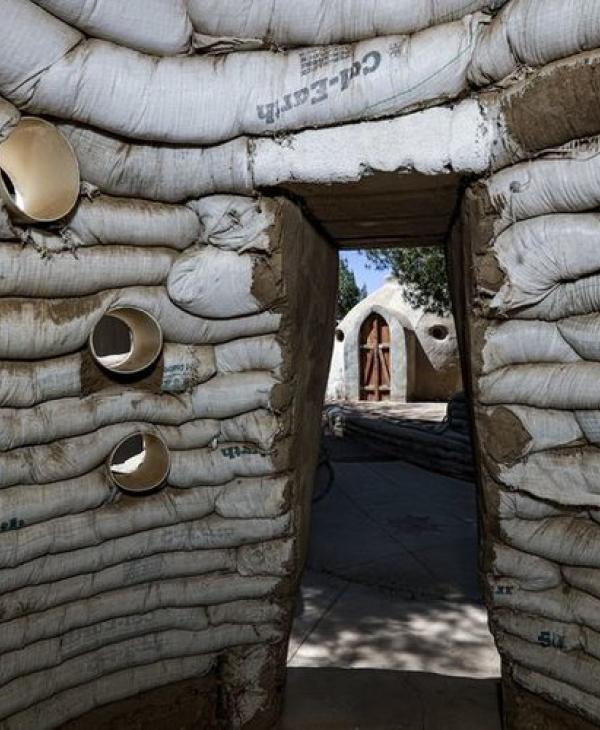
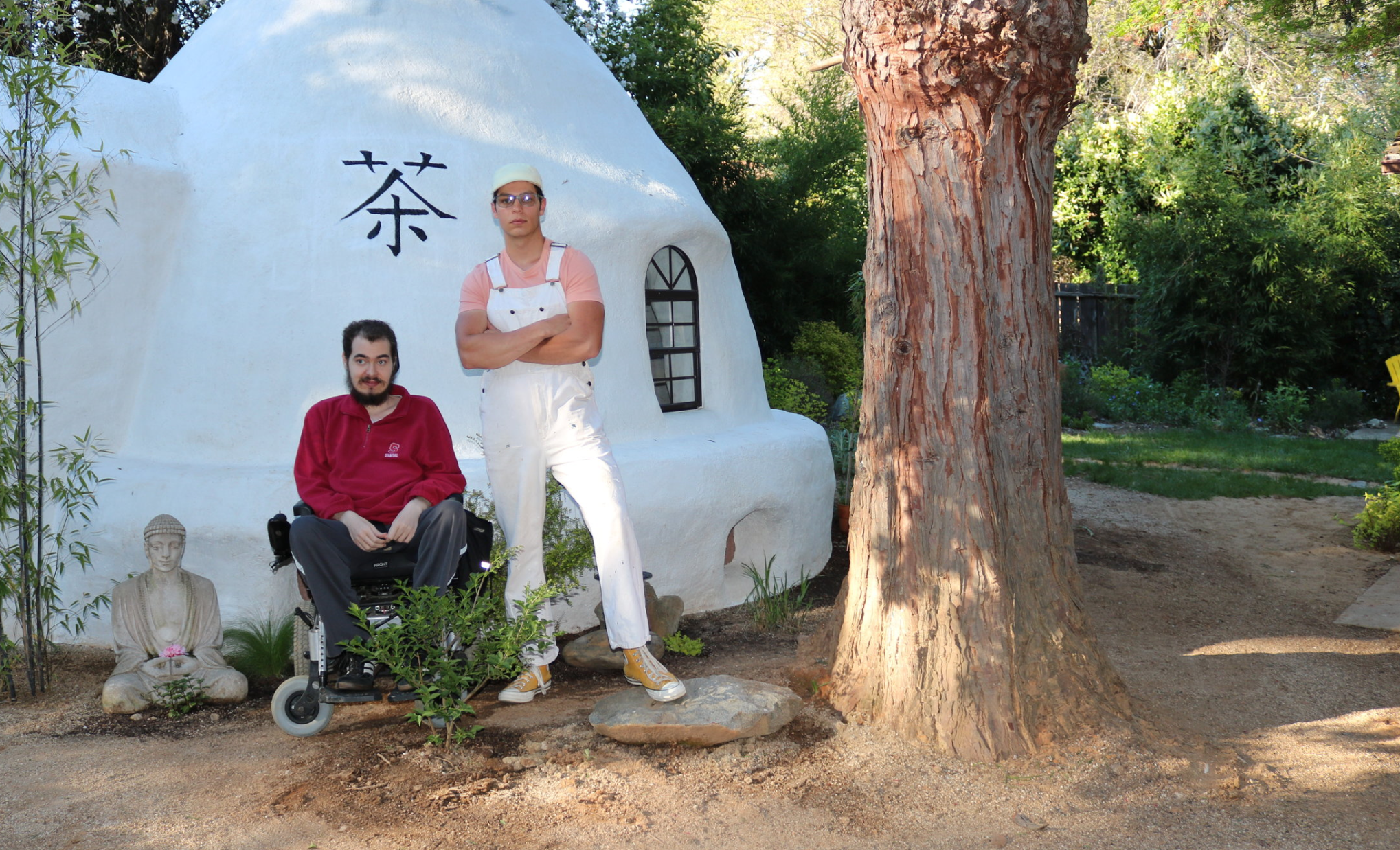
SuperAdobe Spotlight: Tommy's Tea Dome

Learn about the tea dome Sonny built for his brother, Tommy, and how he has taken his passion for SuperAdobe to the next level - teaching workshops!
How did you learn to build with SuperAdobe?

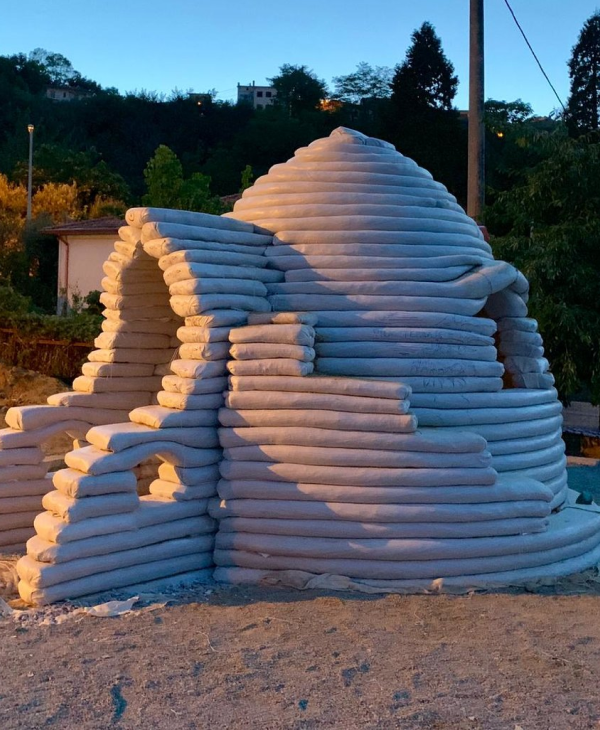
I must have read a dozen books on the subject of SuperAdobe/Earthbag building before signing up for CalEarth's long-term apprenticeship and it was during this time that I really began to notice a change within myself. I truly began developing the understanding and technique behind SuperAdobe and what a privilege that was. Fundamentally speaking, SuperAdobe is indeed a simple concept, but CalEarth taught me all of the intricacies that were not in any of the books that I had read and I certainly wouldn't have discovered them on my own.

What inspired you to learn this type of building method?

I originally discovered SuperAdobe when I was 16 years old; I am 22 now, but at that time I remember initially being attracted to the low-cost aspect of it all. The thought of being able to build my own house and to have it entirely paid off gave me a great deal of inspiration. But as I began working and learning how to build with the earth, it dawned on me that even if I had all of the money in the world, I would still build this way. There is just something so inexpressibly intriguing about it.

Tell us about your apprenticeship at CalEarth. What did you build during the apprenticeship and what did you enjoy learning the most?

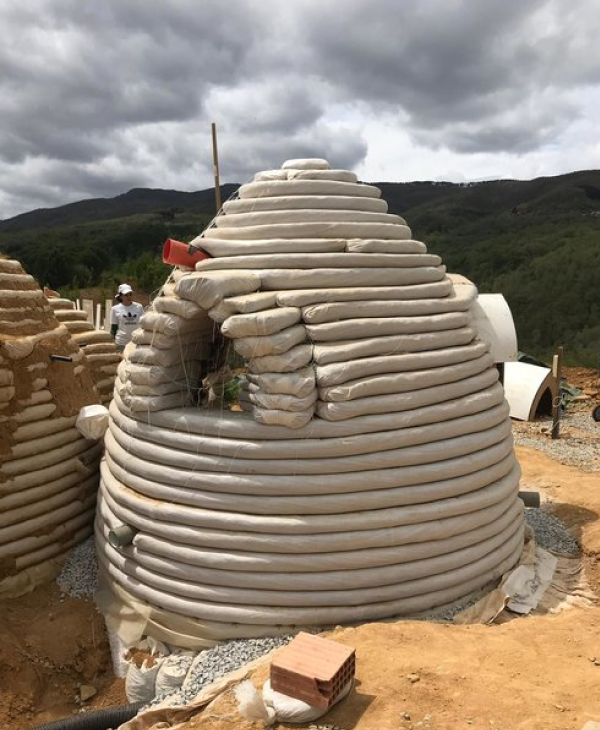
My first CalEarth apprenticeship was in September of 2017 and our apprentice group mainly worked on Dave and Debby Walker's house. We were happy to help them turn their dreams into reality, while at the same time, learn the key concepts behind SuperAdobe. I must say that out of everything I learned at CalEarth, I really enjoyed learning the numerous little tricks in manipulating the bag as well as the barbed wire.

What do you wish the general public knew about CalEarth that most do not?

What CalEarth teaches is outwardly prodigious, and undeniably so, but what the general public doesn't see is the aspect of personal development in which every CalEarth student undergoes during their stay. Those of us who have been through Cal Earth's workshops/apprenticeships will know exactly what I am talking about. In my eyes, it is the epitome of the hero's journey.

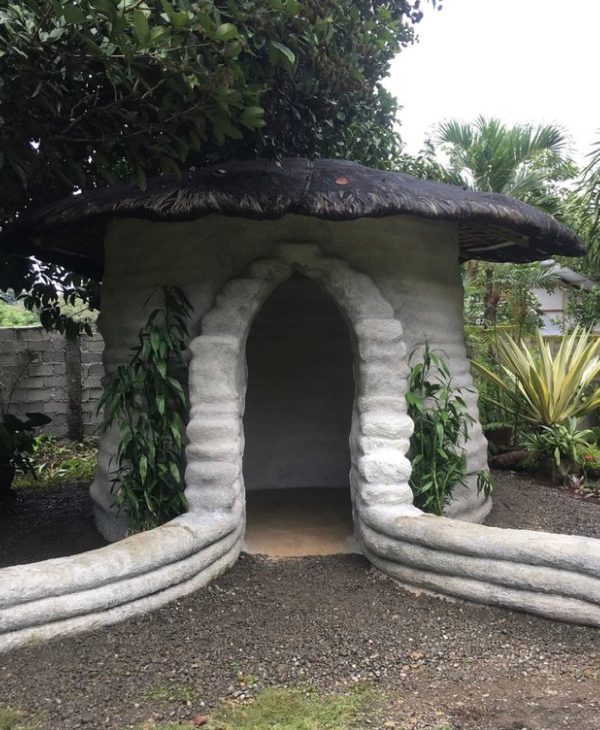
“Tommy’s Tea Dome;” the name alone intrigues us. Why did you build this structure?

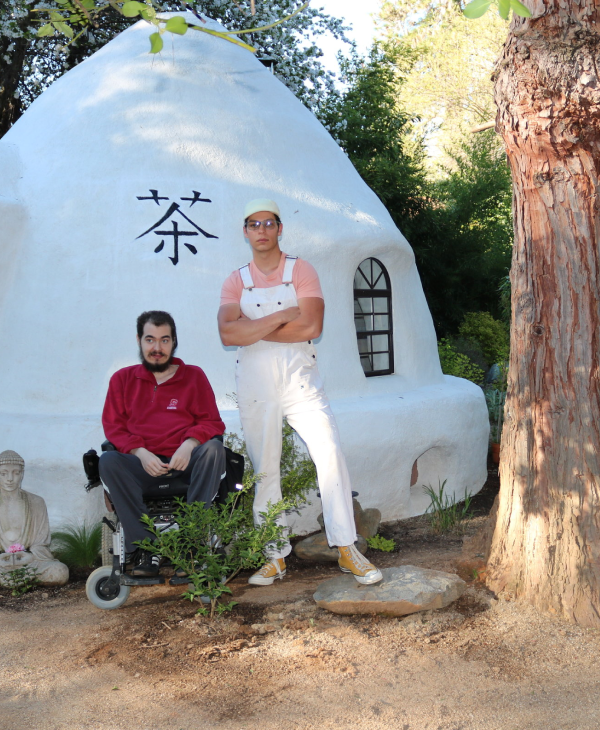
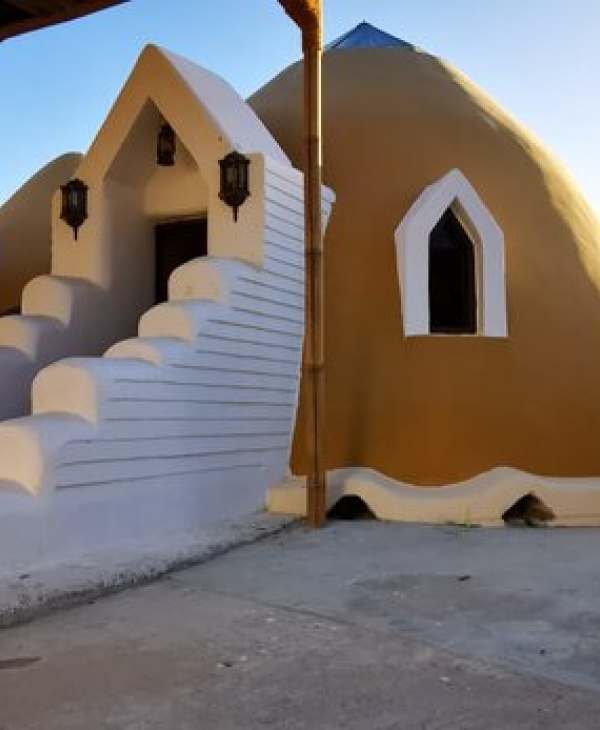
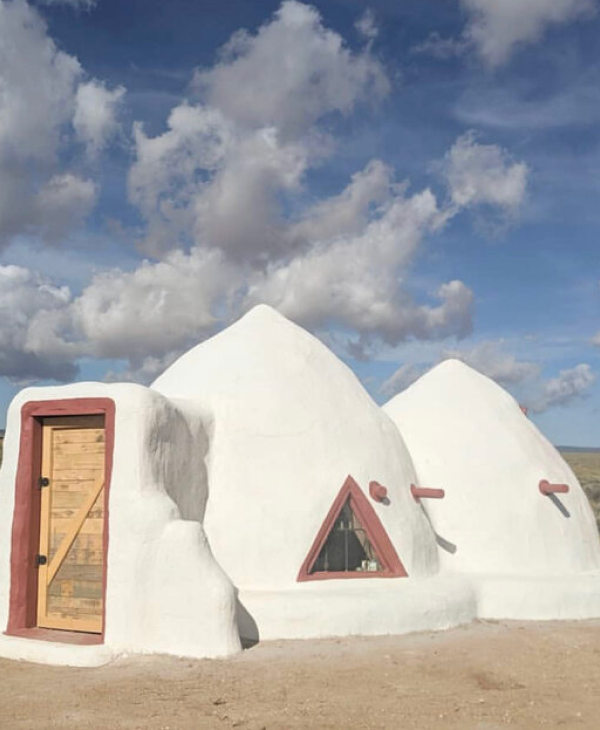
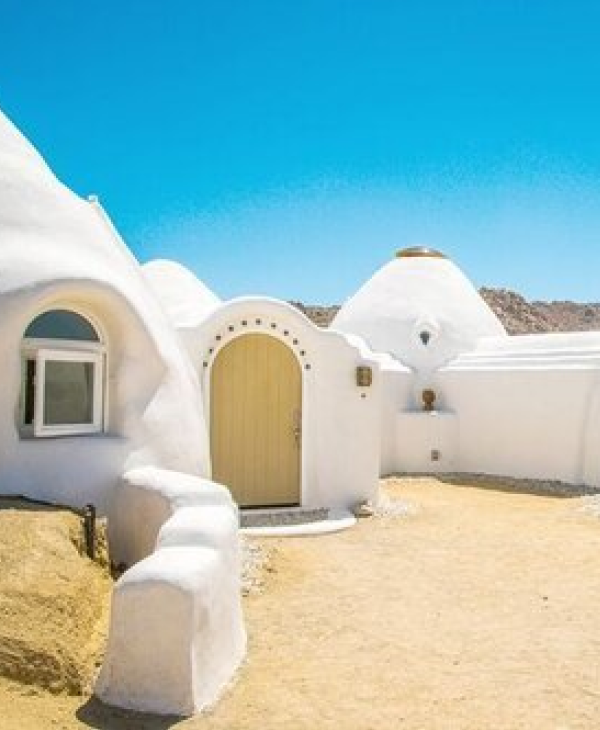
I built this dome for my brother Tommy and his main passion in life is the art of traditional tea. This dome acts as a transition from the outside world into a tea-focused environment also known as a tea house, or in this case, "Tommy's Tea Dome."

Tell us about Tommy. What does this dome mean to him?

My brother Tommy is 24 years old and suffers from Duchenne Muscular Dystrophy. He used to be able to walk, run, and function just like a normal person, but with his condition, he becomes progressively weaker over time. At this point in his life, he is permanently bound to an electric wheelchair and has few hobbies, although the hobbies he does have he is extremely passionate about, one of them being tea. I built this dome for him to take his passion of tea to the next level.

How long did Tommy’s Tea Dome take to build and how much did it cost?

Tommy's Tea Dome took roughly a year to complete although it is important to note that there were a few times where many months had gone by without any work done to the structure. After the bag work was completed, I began doing the majority of the finish work on my own, including installing electricity, plastering/rendering, installing windows and a door, building a rocket mass heater, and the list goes on. With that being said, all of these things took quite a while for me, but I did have some help at times from friends and also my mother. The cost of Tommy's Tea Dome in materials is $1,900 which includes a ceiling fan, electricity, a door, windows, a rocket mass heater, as well as the bag, barbed wire, and all of the other building materials. The labor for building the structure was done by my friends and I as well as my mother.

Did you run into any challenges while building the dome?

Thinking back, it seems to me that every step of this build was a challenge but when I walk around Tommy's Tea Dome and look at it and touch it, I think back to all of those challenging times and feel proud that we always proceeded on to the next step no matter how impossible it seemed at the time, and that is what life is all about.

Are you currently working on any SuperAdobe projects or do you have plans for future projects?

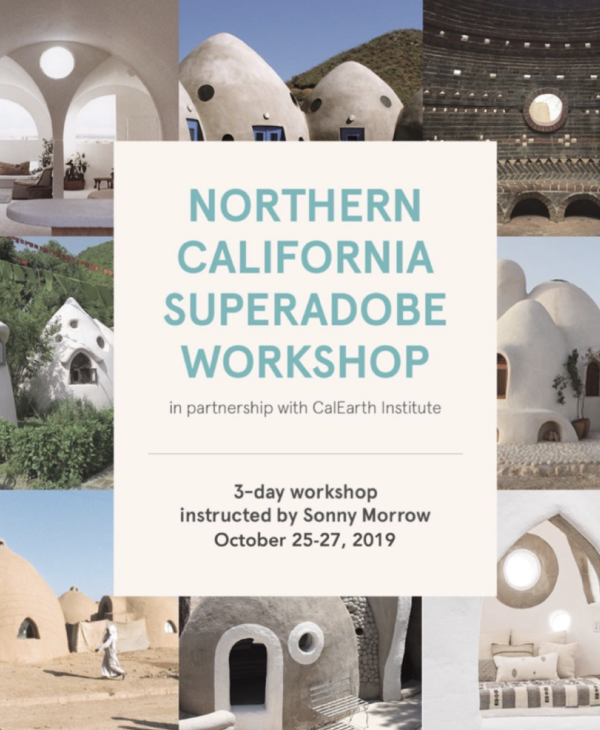
I just finished teaching a five-day SuperAdobe workshop in Northern California which was a huge success. We had twelve students from many different parts of California attend, as well as two students from out of state. It is looking like I will be teaching more SuperAdobe workshops as well as managing some other local projects all while trying to juggle my college schedule. I am very excited to see what projects come my way.

If Tommy could describe his dome in one word, what would it be?

"Wabi" (Japanese) meaning: beautiful in its simplicity - perfect imperfections

Luxurious SuperAdobe Through the Lens of Jesse Benson

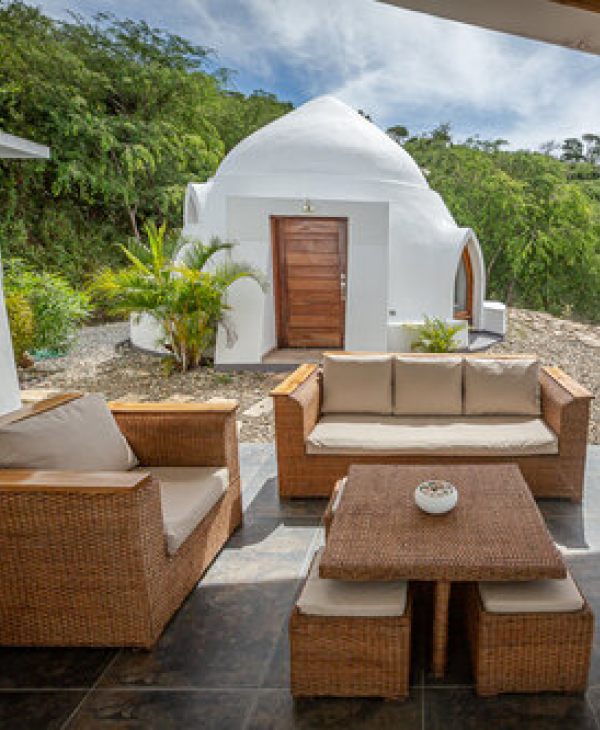
Meet Jesse Benson, owner and builder of Casa Domos, a private dome villa in San Juan del Sur, Nicaragua. Read about Jesse’s passion for SuperAdobe and how he is inspiring people to build sustainable custom homes across the globe.
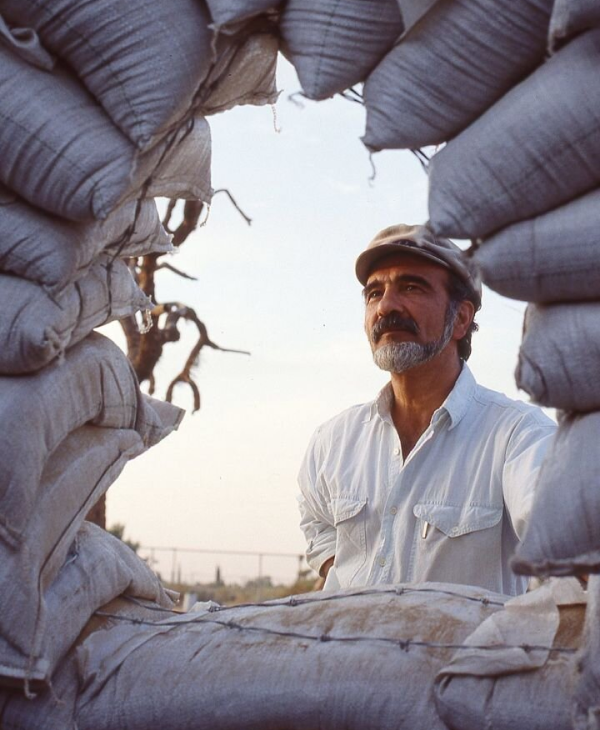
My personal journey and deep dive into all things CalEarth began after a winter spent rebuilding schools in Nepal following their massive earthquake in the spring of 2015. I was there introduced to the SuperAdobe building technique and the huge benefits that come with it. I had been running a business in Tokyo, Japan for the sixteen years prior and decided to make a massive change in my life. It was a kind of reinvention of who I was and the kind of legacy I wanted to leave. It was also incredibly exciting to change basically everything about how I lived as well as the hopeful possibility of continuous travel and cultural experience being my new dream grind.

I have always been happiest in life when on the move globally. Living amongst the peoples of different cultures for long periods of time has always been, for me the truest form of experiencing all that life has to offer. Doing so gives one so much to consider. How should all citizens of earth conduct themselves in regard to being thoughtful stewards of our planet? How can we attempt to create less disparity between people solely brought about by their chance country or family of origin? Meeting basic needs, such as strong functional shelter, should be at the top of the list.

Spending many months living on campus at CalEarth with our small group of seven apprentices was such a wonderful experience and highly recommended. I would even say it is a necessity if one has any interest in a future in building with SuperAdobe. Before I enrolled I had planned and expected that, along with learning how to design and build a home, one of the most valuable take aways would be the community I was about to become a part of. Design and building became all encompassing. In our free time we would share our dreams and work together to brainstorm exciting innovation, and problem solve outside the box solutions to what we were all about to personally face upon graduation.

Immediately after graduation one of my fellow alumni and I were hired for a huge project in Tucson, Arizona where we both learned to become independent leaders and teachers. My next stop was Nicaragua as I needed to build a home in a tropical environment in order to study how I would solve a very different set of challenges than we had overcome in the dry desert climate of Arizona. After building a small home for a yoga and wellness retreat in northern Nicaragua I was confident that I had the local knowledge and skill sets required to start building the much larger dream home that my partners and I had envisioned from the beginning; the impetus to leaving Japan and enrolling in CalEarth.

When working for a client who is expecting professionalism and timely completion, my policy from experience has always been to train and hire locally. Especially when working abroad, bringing jobs to the community and supporting up to fifteen local families for the duration of the project is paramount to the goal of local integration and education. This goal originated due to conversations had with locals in Nepal to stories shared by administrative staff at CalEarth, and has held true with every inquisitive onlooker on site to each and every one of the local workers trained in my four projects to date. Before seeing the finished product, sadly not one would have chosen to live in an earth bag home. Everyone wants what the “well to do” in first world countries have; the sprawling concrete and rebar excess that comes with most conventional building. It’s my belief that if I can create a luxurious and comfortable home, that can rival or even better contemporary dream homes, that earth bag building will come to be seen as a desired, beautiful and unique piece of art. By creating a market for high end homes built with SuperAdobe we can foster a global trend, resulting in low income families in struggling countries feeling a sense of pride in living in a natural home. People are in love with the domes we’ve created for three different properties here in Nicaragua and they are the talk of each town. By using the lure of photogenic and trending dream homes we can then teach and get the message out to families in need of proper housing that with help from their communities, with cooperative trade of labor, an earth bag home built without all of the high end frills can be affordable and again, desirable.

In designing an earth bag home its organic and flowing internal matrix of interconnecting layers and bag-work have always been incredibly appealing to me. In the finished product I’ve strived to create something that defies, in appearance, its internal evolution to achieve a more sleek and streamlined design with uniformity, perfect arches and angles. I think many people believe that domes are quite cavelike; cramped, poorly lit and uncomfortable. In my experience, creating something completely at odds is one of the most rewarding aspects of the job. From the outside the structures are beautiful, but it’s not until you walk inside that they take your breath away. Huge, incredibly lit cathedral-like rooms with massive six foot high lancet arches for windows are connected to even more awe-inspiring rooms all connected by steps and stairways on different levels. Sunken into the earth they are kept cool and comfortable and living in them feels like you are either living in the future or some long forgotten past where people have evolved to a place of harmony and perfect peace. There is a magic to them that is undeniable to every visitor and guest we’ve ever hosted.

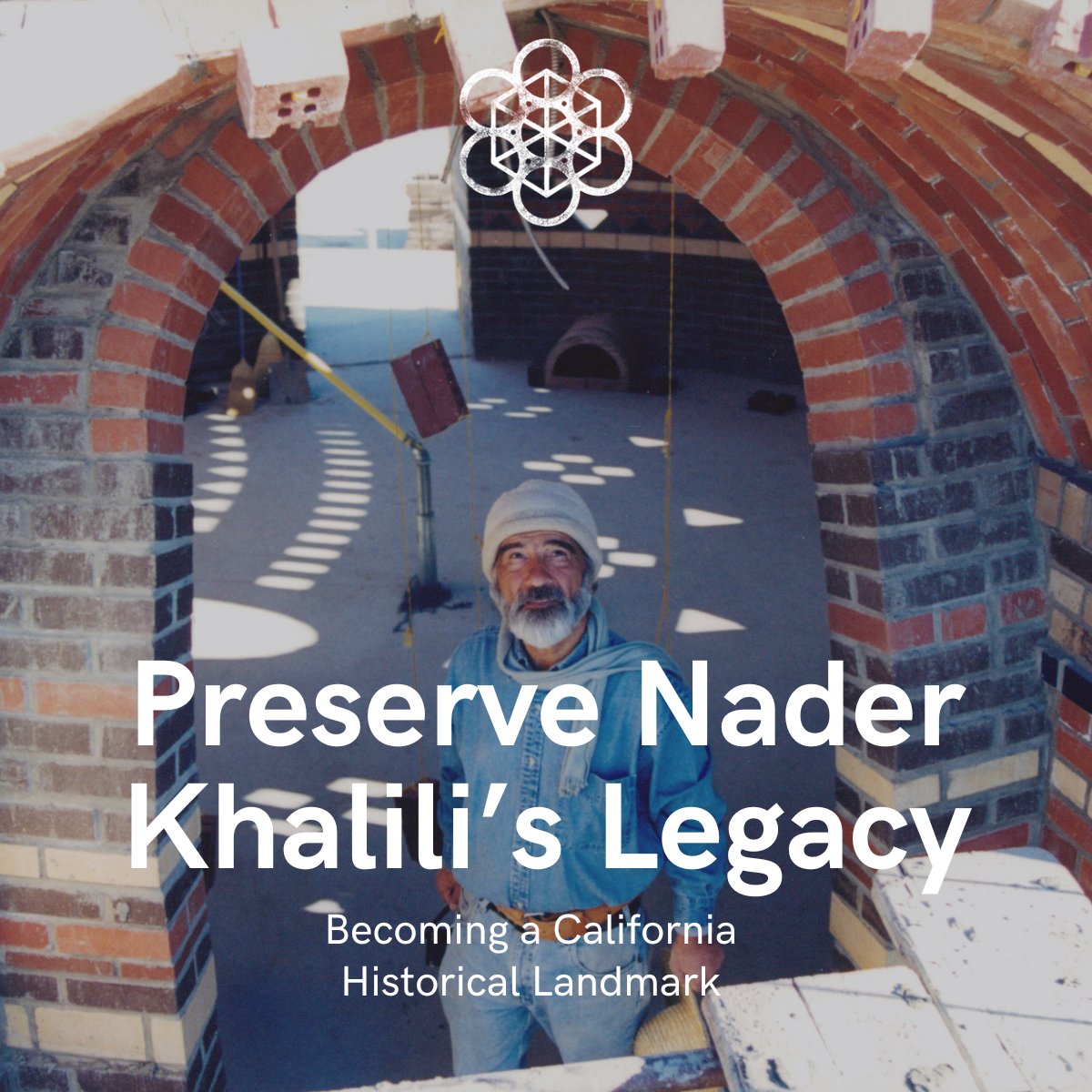
What excites me most about a prospective project is to push the boundaries of what other builders have created. Using Nader Khalili’s unique formulaic architecture with its incredible strength, it’s wonderfully challenging to come up with design solutions to create one of a kind homes. My most exciting build in this regard is a three story, thirty seven foot high home with half of the structure being underground with proper drainage for the rainy season. The underground level is half 20,000 gallon reservoir that catches all of the rainwater that hits the roof and half utility room for water purification and solar equipment setup. At ground level you walk into the home on a landing with a staircase curving down five feet into a giant living area. The space has a ten foot ceiling, four massive windows at ground level, a kitchen, dining area and bathroom with toilet and shower all using water from the closed catchment and waste system. To the left and up from the entrance landing is a huge master bedroom with a seventeen foot high ceiling and the corresponding four giant windows as found below. Too many details to go into, but again such an incredible feeling to stand back at the end and realize you’ve built something historically unique.

I believe that if we all share the hopeful dream of living in truly sustainable coexistence with our planet, and all life on it, that centres of education and constant innovation like CalEarth must be globally supported. In the search for solutions to the ever increasing demands humanity places on earth’s own reasonably closed system, we all need to invest heavily in institutions that think and design within earth’s limits and continually attract students with creative minds.

Follow Jesse on Instagram: @sushikoots and @casadomosnicaragua

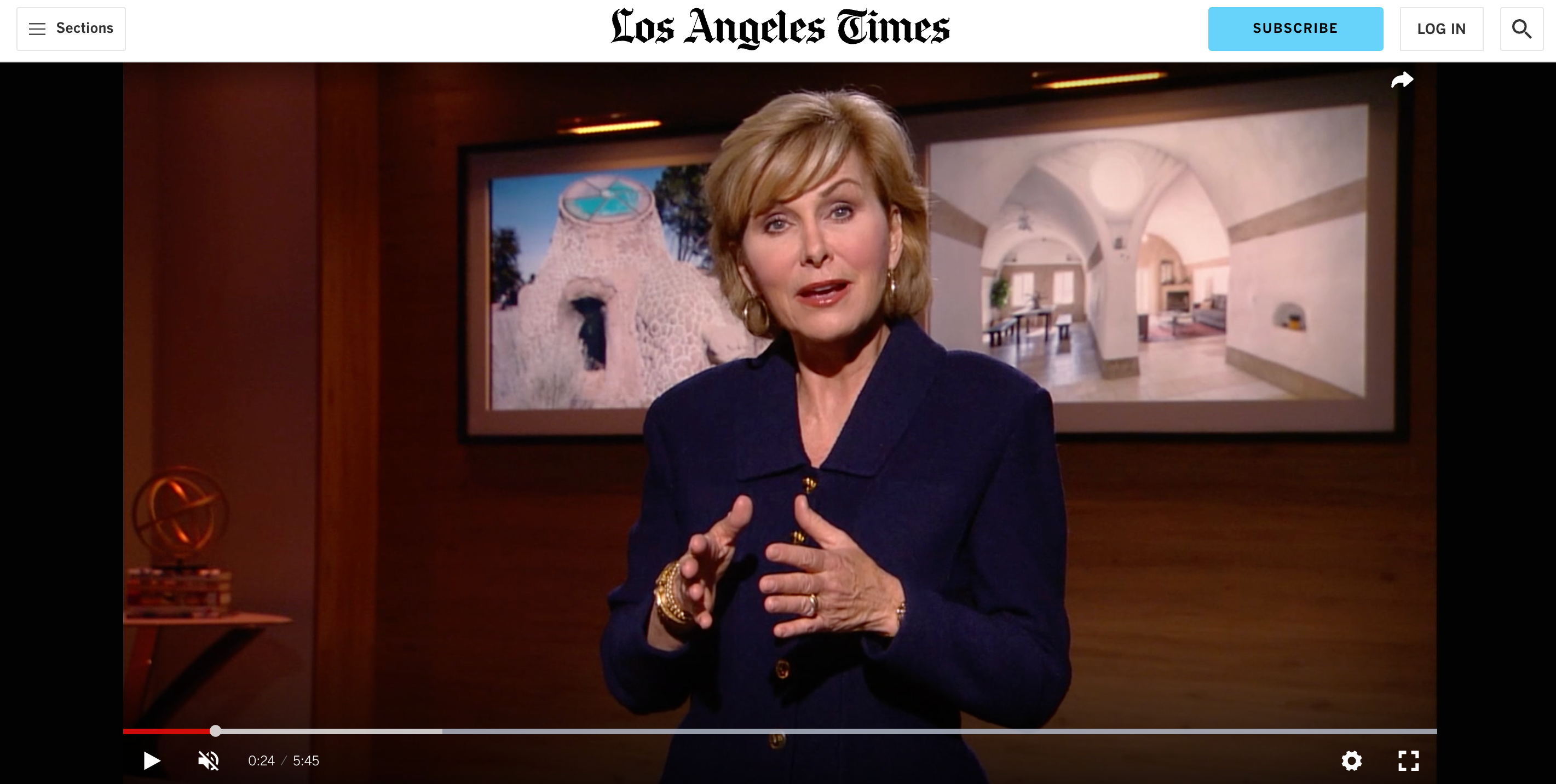
CalEarth Featured on Innovation Nation

A humanitarian and architect, Nader Khalili, was interested in finding a sustainable solution for building that didn't involve lots of machinery or equipment. He wanted to make building a home accessible to people all over the world who didn't have unlimited money and materials. Check out this video to learn more about our founder and these seismically safe structures!
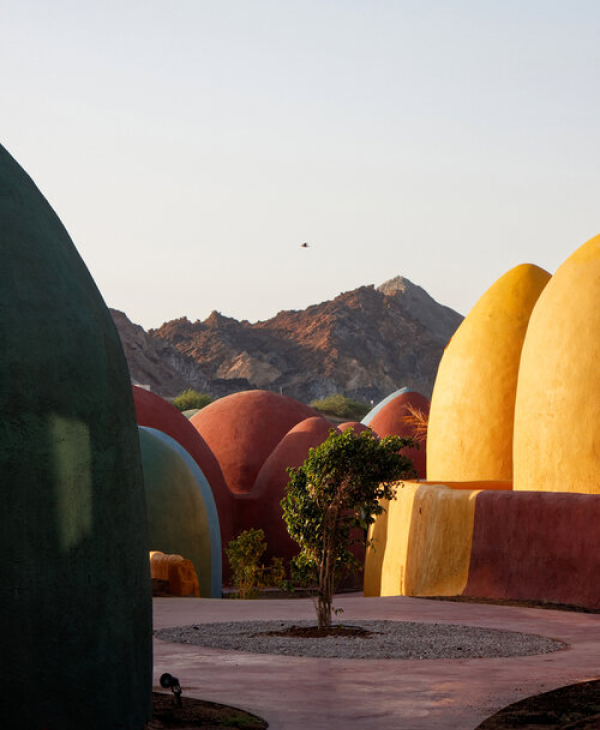
Thank you, Mo Rocca and Innovation Nation for sharing our story!

CalEarth in the News - USA Today

IMG_8016.jpg

CalEarth alum, Owen Ingley and his partner, Paula Paoli work hard to promote SuperAdobe as a building technique to help those in need of housing that can withstand hurricanes in Puerto Rico. Their non-profit, Plenitud PR, is an educational farm and community that builds SuperAdobe domes, teaches sustainability skills and engages people in community service.

After Hurricane Maria swept through the island, thousands of homes were destroyed. Ingley explained to USA TODAY that “…the rapid turnaround, as well as the inexpensive materials, make SuperAdobe housing a cost-effective solution to provide temporary or permanent housing to people who lose their homes after a natural disaster.”

Read more about Plenitud PR and how they are helping re-build Puerto Rico in USA TODAY’s article, “Homes made of sandbags, barbed wire could offer cheaper, safer shelter as climate crisis worsens.”

Urban Development on Hormuz Island, Iran

Hormuz Island, Iran - Home to a striking, colorful landscape, Hormuz is a historic port, controlling petroleum shipments coming from the Middle East. Unfortunately, those living on the island are often economically disadvantaged. In order to empower the local community, ZAV Architects was hired to construct this breathtaking, 10,300 square meter SuperAdobe hotel. 201 domes were built in all and include 132 hotel rooms, 14 domes dedicated to entertainment and sports, 21 that provide food and beverages, and 28 that house management and other services. It’s second phase will feature a cultural community space that connects residents with those traveling to visit the domes.
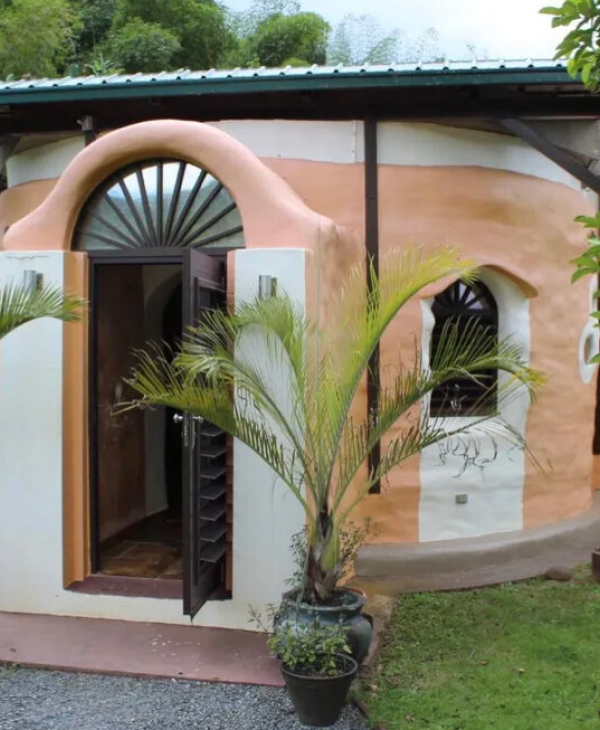
Read on: https://www.archdaily.com/952361/presence-in-hormuz-2-zav-architects


Architects In Charge: Mohamadreza Ghodousi, Fatemeh Rezaie, Golnaz Bahrami, Soroush Majidi

Interior Design: Sara Jaafari, Taraneh Behboud, Sara Nikkar, Mohsen Dehghan

Supervisor: Soroush Majidi, Payman Barkhordari, Sheila Ehsaei

Owner: Ali Rezvani

Client: Ehsan Rasoulof

Project Constructor: Amir Tehrani Nobahari